Interior insect monitors are glue traps that can be a valuable tool used to identify and reduce the number of interior hunter spiders in your home. Place them up against the wall or behind dark, damp areas where spiders hide. While bites are rare, they can occur, typically feeling like a small pinch. Though not dangerous, bites can cause pain, swelling, itching, and redness for a few days. When possible, Crumbley advocates for catching spiders and releasing them back outdoors.
Widow Spiders
The brown, biting spiders have a tan to medium brown body with a recognizable violin-shaped marking on their cephalothorax. The black house spider is a robust spider with a dark, charcoal-gray abdomen and white speckles. In addition, the spider has a characteristic velvety blackish-gray body and furry legs. Its large, egg-shaped abdomen and color give it the appearance of a tarantula. However, it is classed as a harmless indoor brown spider because it’s not aggressive and only bites if you grab or squeeze it.
Interaction with other spiders
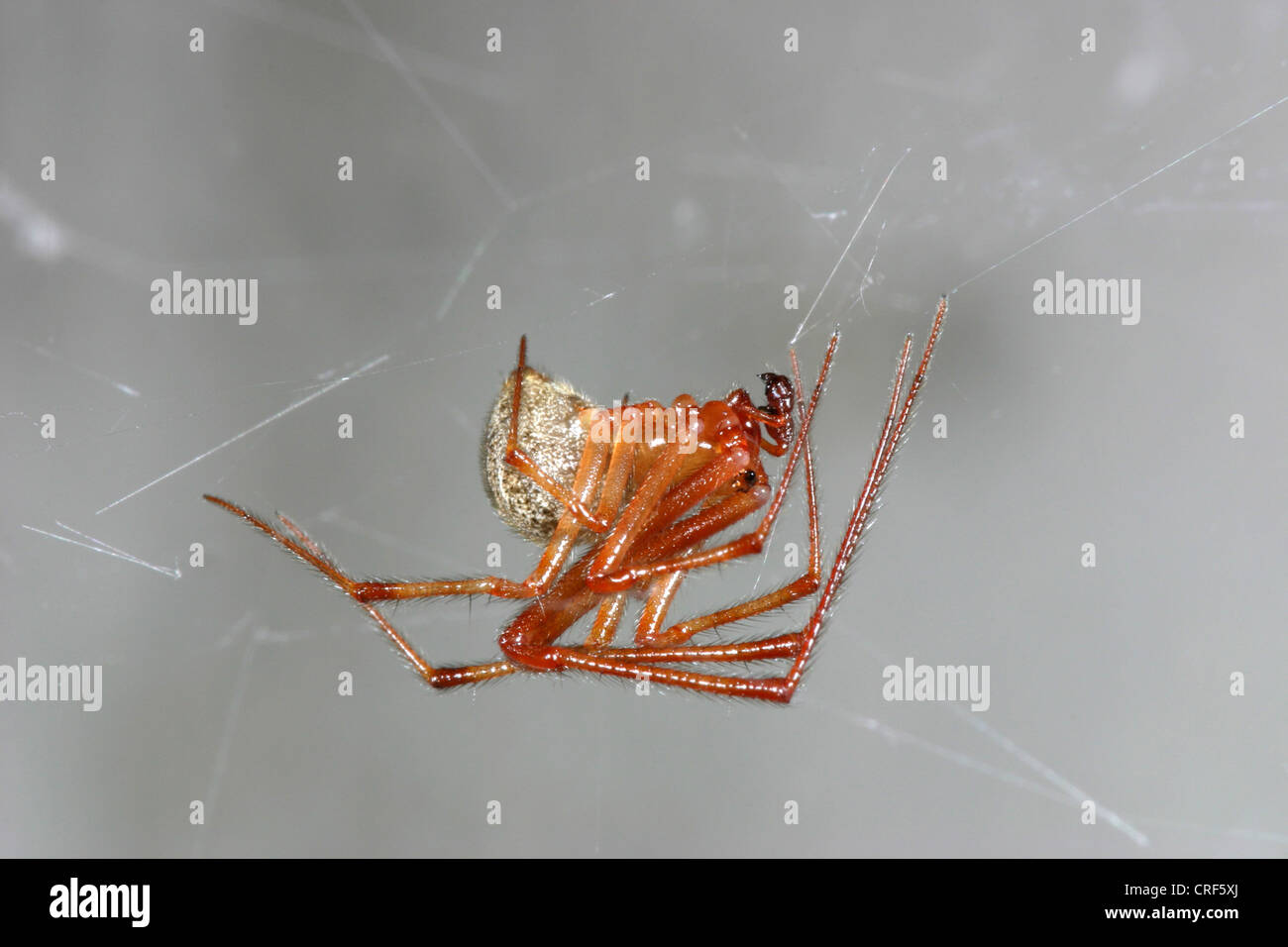
It ranges from 6 to 12 millimeters in length, with a reddish-brown "head" (the cephalothorax) and a pale, speckled abdomen. It builds funnel-shaped webs, and is known to prey on pest insects inside homes. Before getting into house spiders that have venomous bites, it's important to understand that more often than not, spiders are not aggressive and do not bite. "In my experience, the majority of household spiders are harmless and prefer to keep to themselves," says Mohamed Samir, pest control senior technician with Bugwise Pest Control. When people find common house spiders, they often destroy the web and kill the spider.
Common House Spider
Brown widow spiders are typically found in dark, undisturbed areas of your home like behind furniture, basements, attics, or garages. If you want to make sure your house spiders are pulling their weight, check in and under their webs to see what they've been eating. Not everyone who's afraid of spiders hates them, leading many people to try non-lethal eviction.
There Are Humane Ways to Manage House Spiders

This small yellow spider has an identifiable egg-shaped abdomen with a pointed end and dark brown markings on its face and the tips of its legs. The small yellow house spider can measure 0.19” to 0.35” (5 – 9 mm) with a leg span up to 1” (25 mm). Many jumping spiders have red or white markings on their abdomens and can be confused for black widows.
Cellar Spiders
Brown widow spiders are also found in yards under rock piles, wood piles, and other sheltered areas. These brown spiders are common in Arizona, Florida, California, and other southern states. Black widow spiders have a characteristic red hourglass marking contrasting with a shiny black oval, ball-like body. The American house spider plays a vital role in controlling the population of various insect species, contributing significantly to maintaining ecological balance. Their presence in homes can help in reducing the number of pests, making them an ally in natural pest control.
How to Identify Common House Spiders
Use a vacuum or broom to clean them up or hire a local IPM specialist. They can be seen in gardens, backyards, basements, attics, barns, sheds, and any other type of man-made structure. Also called the black-footed spider, yellow sac spiders can inflict a painful venomous bite.
Common House (Parasteatoda tepidariorum)
They are also covered in dense hairs and have thick, short legs, giving them a scary appearance. Another feature is their eight eyes in three rows, with two prominent eyes in the center. Hobo spiders are a type of brown funnel web spider with distinctive chevron, V-shaped patterns on their abdomens. Identifiable features of hobo spiders are two dark stripes and one lighter stripe on the cephalothorax, light brown legs with no bands, and visible spinnerets at their posterior. Wolf spiders typically live outdoors, but the furry brown spiders can enter homes in the fall when the temperature drops.
For example, common house spiders and American wolf spiders look similar, but you can tell them apart by the arrangement of their eyes. Another identifying feature of common house spiders is their webs. For example, the common house spider and black widow spin cobwebs or tangled webs. In addition, some outdoor spiders like orb weavers can make their way indoors and spin intricate webs, creating a spoked, open web to trap insects. Despite this fact, most people cringe at the sight of a common house spider.
However, it's important to remember that spiders eat insects, including flies and mosquitoes, and they could be keeping these out of the homes they're inhabiting. Spotting a spider in your immediate vicinity can be a little intense, especially if you have a major fear of the creepy crawlers. And with different species come different levels of concern—which makes learning how to identify the critters important.
A female common house spider can produce several egg sacs in a year. They are very small, papery, brown sacs that hang from the web and can have more than 400 spider eggs inside. The southern house spider is a large dark brown to black spider with a large oval head and elongated fuzzy brown abdomen. Up close, pictures of this house spider show it has dark brown spiny legs and two prominent eyes on top of its head.
Seeing more spiders in your home? Here’s why - WWLP.com
Seeing more spiders in your home? Here’s why.
Posted: Tue, 12 Sep 2023 07:00:00 GMT [source]
Head to the ER ASAP if you suspect you’ve been bitten to get immediate treatment. Other names for the brown recluse spider include brown fiddler, violin spider, or fiddleback spider. Although the violin markings on its head are an identifiable feature, other harmless spiders also have similar markings. However, a unique characteristic of the brown spider is that it has six, not eight, eyes like most spiders. The large brown southern house spider has an oval abdomen with a velvety appearance, a shiny brown cephalothorax, and long furry legs. The cellar spider is a harmless, brown spider with a small rounded abdomen and long thin tan-colored legs.
There are also false widows, which look similar to a black widow but are completely harmless. Determine which common house spiders are in your home with this guide. American grass spiders are a type of brown funnel weaver spider with an elongated, oval brown body. Identifying features of the grass spiders are the distinctive dark brown bands running down its cephalothorax, mottled brown abdominal patterns, and spiny, orangey legs. Jumping spiders are identified by their black, tan, or gray bodies with orangish or white markings.
"House spiders prey on insects and other small creatures," Crawford writes. That may not help with severe cases of arachnophobia, but fear and respect aren't mutually exclusive. The more we know about these misunderstood housemates, the less fodder we have for misguided phobias. In hopes of clearing house spiders' name, here are eight interesting facts that might persuade you to put down the shoe, pick up a magnifying glass and give peace a chance. Yes, but their venom is not harmful to humans, unlike their relatives, the black widow. Spiders are relatively easy pests to get rid of, says Emma Grace Crumbley, entomologist for Mosquito Squad.


No comments:
Post a Comment